Why Your Shoes Matter More Than Your Clothes on Puppy Yard Days
Quick Answer: In a puppy yard your shoes handle traction on wet grass, protection from needle teeth and claws, biosecurity between the yard and the house, and hours of crouching and standing. Clothes mostly handle dirt. Choose closed-toe, smooth-upper, washable shoes with real grip and no laces at puppy height — and keep them as yard-only footwear that never comes inside.
You thought carefully about the top. You wore whatever was by the door on your feet.
Then a puppy grabbed a lace, you slid on wet grass, and you walked whatever was in that yard straight into your kitchen.
The shoes were the decision that mattered.
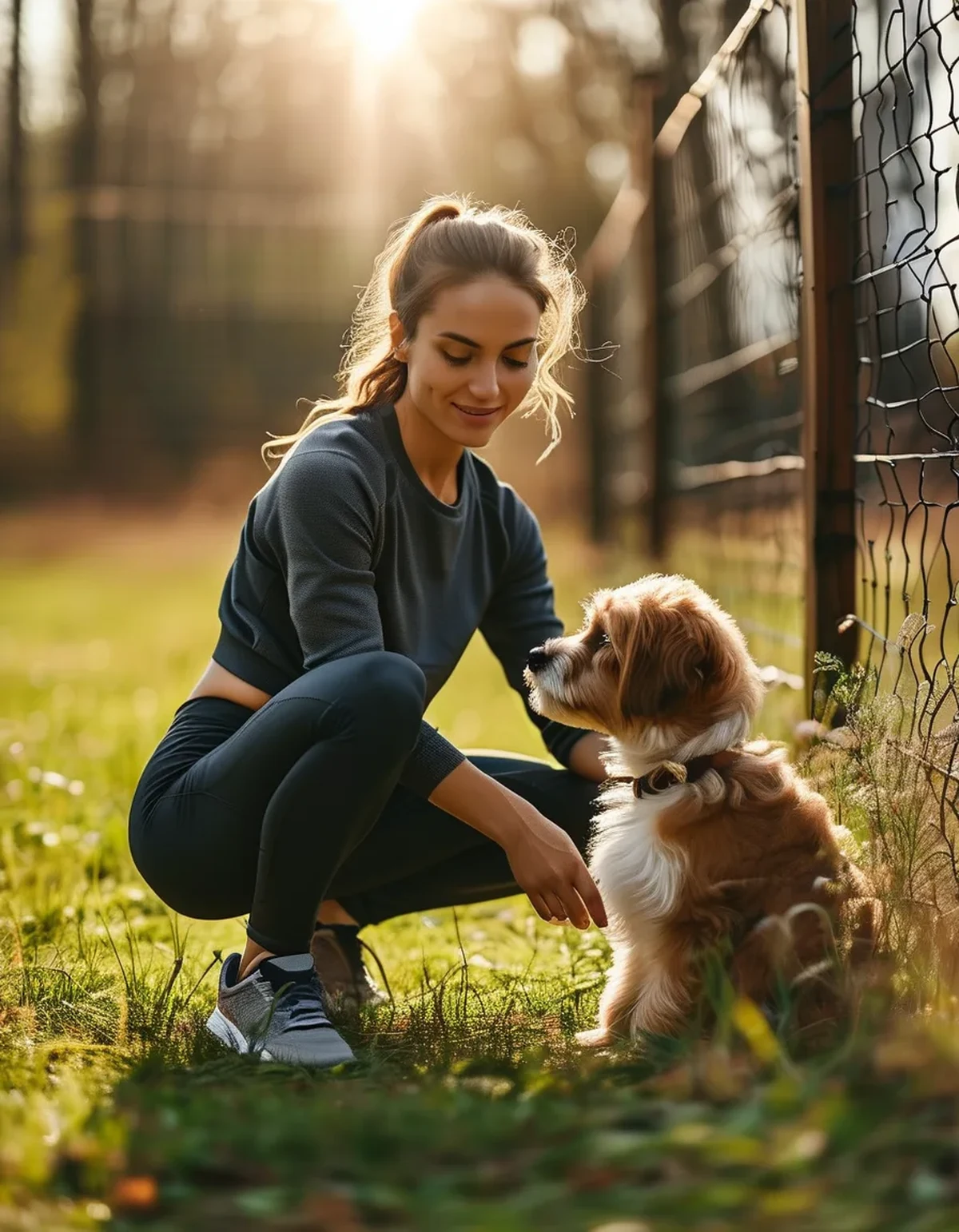
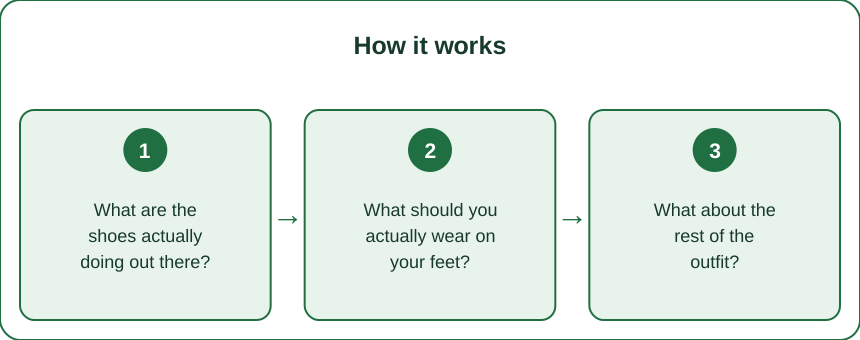
What are the shoes actually doing out there?
Four separate jobs, and most everyday trainers do two of them badly.
Traction on unpredictable ground. Puppy yards are grass, mud, wet concrete and whatever was spilled ten minutes ago. You will be moving quickly and often backwards. Smooth-soled trainers are genuinely hazardous here.
Protection from teeth and claws. Puppy teeth are needle-sharp and they target feet and ankles specifically because that is what is at their eye level. Canvas offers essentially no protection; a smooth synthetic or leather upper does.
Biosecurity. This is the big one. Parvovirus is extremely hardy in the environment and travels on footwear. Yard shoes that come into the house defeat every other precaution you take.
Support for hours of crouching and standing. Socialisation sessions involve a lot of squatting, kneeling and standing on uneven ground. Flat unsupportive shoes make this genuinely uncomfortable by hour two.
Laces are a fifth problem. They are irresistible to puppies, they get chewed, and a puppy pulling a lace while you are mid-step is a real fall risk.
None of this applies to indoor puppy pens the same way. Inside, socks or dedicated indoor slip-ons are fine and better for the floor.
What should you actually wear on your feet?
A specific short list, and none of it needs to be expensive.
Closed toe, always. No sandals, no clogs with open backs. Puppies bite toes and the ground is not clean.
Smooth wipeable upper. Synthetic, coated leather, or rubber. Anything you can hose down and disinfect. Mesh trainers absorb everything and cannot be properly cleaned.
Genuine tread. Look for a proper lugged sole, not a flat gym-shoe outsole. Wet grass on a slope is the specific test.
No laces, or laces tucked away. Slip-on styles, elastic laces or a bungee system. If you must have laces, tuck the bows under the tongue.
Waterproof if you can. Wet feet for three hours is miserable and yards are wet more often than not.
Rubber garden clogs or short wellies are the classic answer. Cheap, fully wipeable, no laces, waterproof, and they slip off at the door. Their weakness is support, so add an insole if you are out for long stretches.
Keep them at the door and never wear them inside. A boot tray, a disinfectant mat if your rescue uses one, and a strict rule. This single habit is worth more than everything else combined.
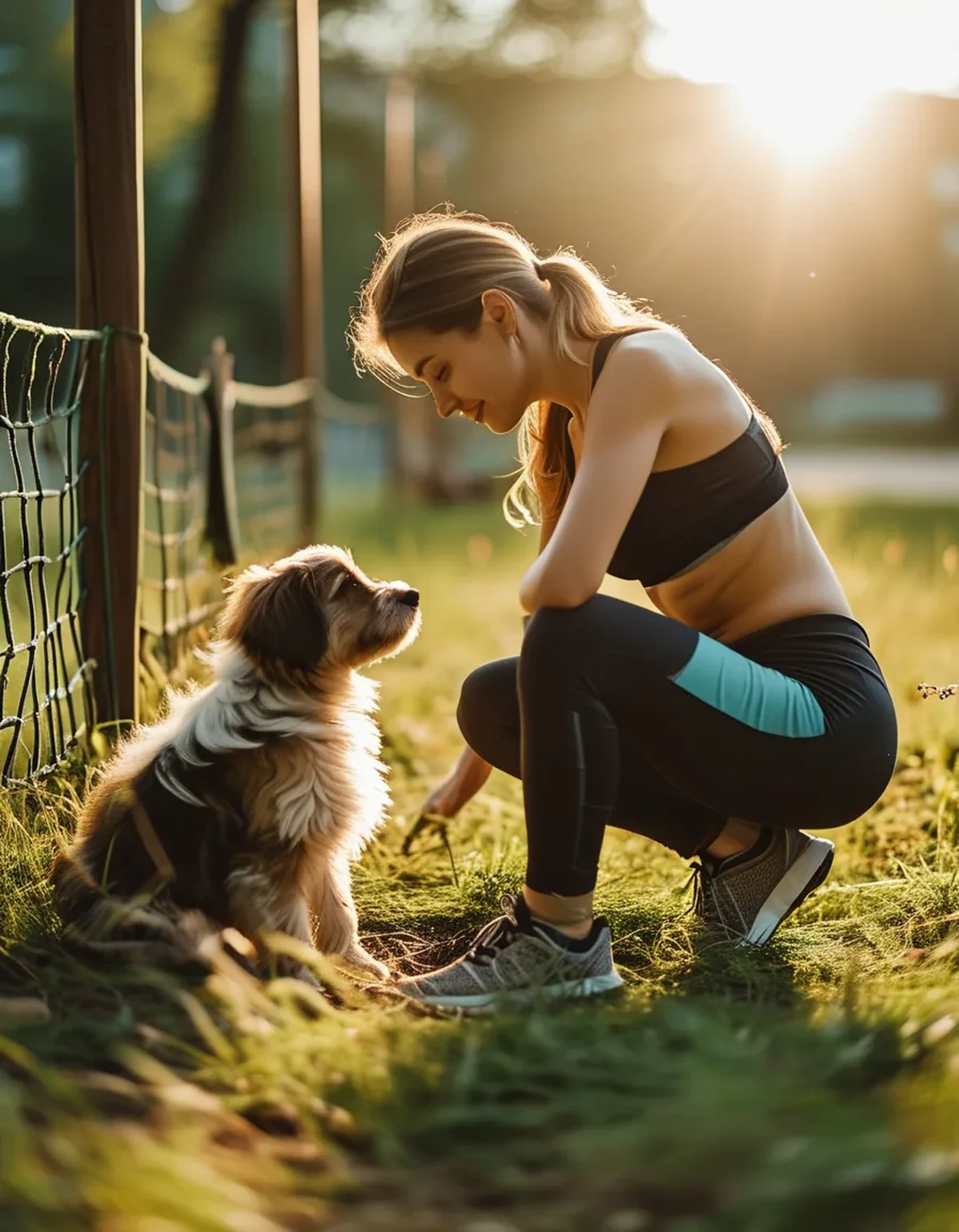
What about the rest of the outfit?
Simpler than the shoes, but a few things genuinely matter.
Durable trousers over soft ones. Needle teeth go through thin leggings easily. A tougher woven fabric or a thick jogger holds up much better and protects your shins.
Long trousers rather than shorts. Ankle and shin scratches from claws are the most common minor injury in puppy work.
No dangling anything. Drawstrings, hoodie cords, long zip pulls and loose sleeves are all chew targets and all become tug toys instantly.
Pockets that close. You will carry treats, and open pockets in a puppy pen are an invitation.
Layers you can lose. Yard work runs hot even in cool weather because you are constantly moving and crouching.
Machine washable at a decent temperature. Same biosecurity logic as the shoes, applied to everything.
Dark or mid-tone colours for the yard. This is the reverse of indoor kitten health-check advice — outdoors, mud is the dominant problem and health monitoring happens indoors under proper light.
Seasonal note: as autumn arrives, yards stay wet far longer between rains and the ground gets churned. This is the point in the year when ordinary trainers stop coping and dedicated waterproof yard footwear starts earning its place.
What Nobody Tells You About Puppy Yard Time
You will be moving backwards more than forwards. Puppies follow. Backwards movement on wet grass in smooth shoes is the specific mechanism behind most falls in a yard.
Puppies target whatever moves at their height. That is your feet, your ankles and your trouser hems. Planning from the ground up rather than the top down is the correct order.
Disinfectant matters more than washing. Ordinary washing does not reliably deal with parvovirus. Follow your rescue’s disinfection protocol for footwear and hard surfaces, and check what your product is actually rated against.
Crouching for two hours is a real physical load. People underestimate this and finish the day with a sore back that had nothing to do with lifting anything.
Keep a second pair by the door. Wet shoes take a day to dry and you will be out there again tomorrow.
Sunglasses are surprisingly useful. You spend the whole session looking down at bright ground, and squinting for two hours is its own kind of tiring.
Wash your hands before you touch your own dogs. The clothes and shoes protocol is pointless if the hand hygiene is not there too. This is general information — follow your rescue’s protocol, which will be more specific.
FAQ: Puppy Yard Clothing Questions, Answered
Are wellies too hot for late summer?
Short wellies or garden clogs are much cooler than full-height boots and handle wet ground just as well for yard work.
Can I just clean my normal trainers?
Mesh uppers cannot be properly disinfected. If your trainers have a smooth wipeable upper, they can work as dedicated yard shoes — but they should stay dedicated.
What about gloves?
Useful for handling and for cleaning, less useful for socialisation where you want puppies comfortable with bare hands. Follow your rescue’s guidance on medical cases.
How do I stop puppies chewing my trouser hems?
Redirect to a toy every time rather than pulling away — pulling makes it a game. Tighter hems and tucked-in ankles help mechanically.
Do I need to change completely between litters?
If you have more than one group, yes, and that includes footwear. Cross-contamination between litters is the risk the whole protocol exists to prevent.
What is the single most important thing?
Shoes that never come inside. Everything else is comfort; that one is disease control.
TL;DR:
- Yard shoes do four jobs: traction, bite protection, biosecurity, and support.
- Choose closed-toe, smooth wipeable upper, real tread, no laces, waterproof if possible.
- Never wear yard shoes inside. This is the one rule that actually matters.
- Durable long trousers, closing pockets, nothing dangling.
- Rubber garden clogs plus an insole is the cheap correct answer.
Set up a boot tray by the door this week. It is the highest-value five minutes in foster work.
Keep Reading
This article is for general informational and styling purposes only. Fit, sizing, and product availability may vary.