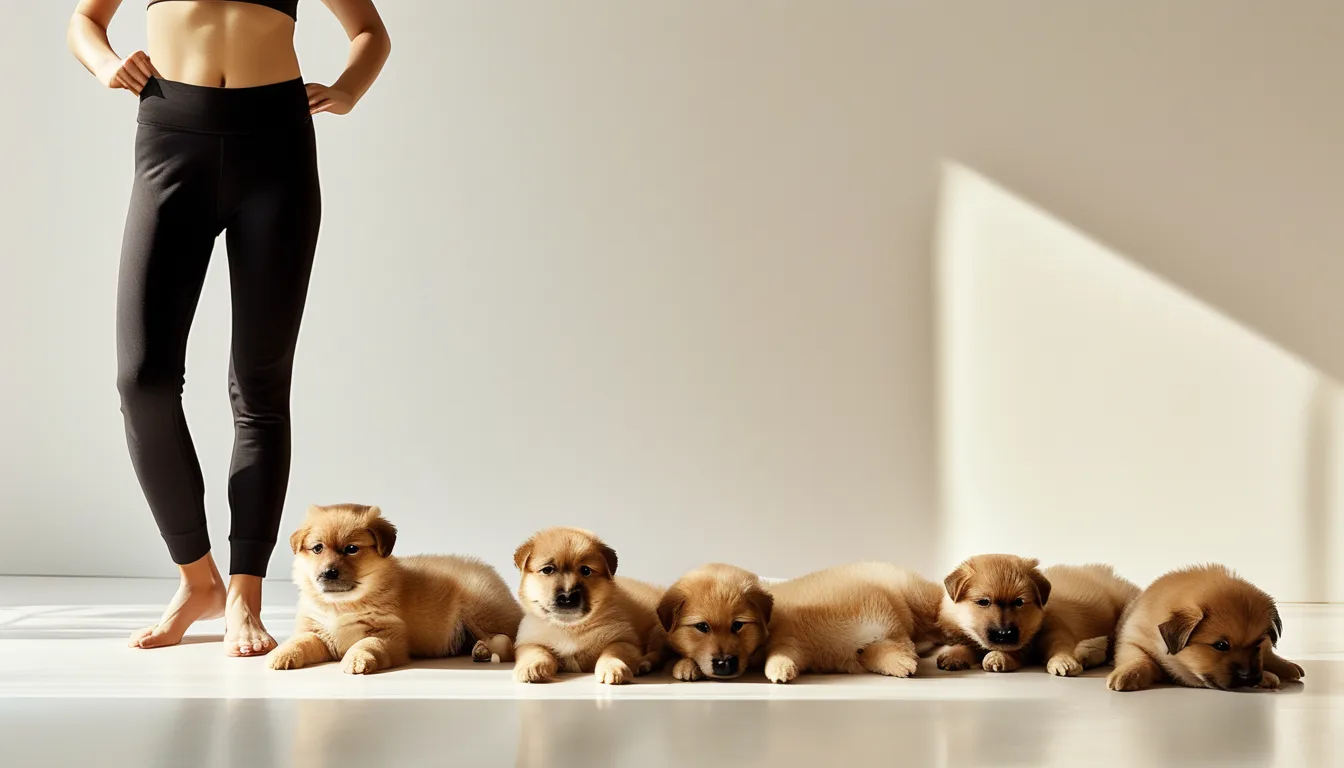
What to Wear for an Overnight Whelping Watch
Quick Answer: Choose washable mid-weight layers you can add and shed without standing up, full-length bottoms with knee comfort, and closed shoes you can slip on instantly. The room will be kept warm for the puppies and you will be sitting still, so plan for being alternately too warm and chilled. Everything you wear should be something you would put straight into a hot wash.
The room is at 85 degrees for the puppies, you are on a hard floor at 3am, and you will be up and down more times than you can count.
This is a specific kind of long night, and the outfit is a bigger part of getting through it than anyone tells you.

What makes a whelping night physically different?
Four things, and they pull in opposite directions.
The room is deliberately hot. Newborn puppies cannot regulate their own temperature, so whelping areas are kept in the low to mid 80s. You are dressing for a room warmer than you would ever choose, while sitting still.
But you will get cold anyway. Sitting motionless for hours, at 3am when core temperature is at its daily low, in a room you are not moving around in — people routinely get chilled in a warm room during a long watch. That combination is why one weight of clothing never works all night.
You will be on the floor most of the time. Kneeling, sitting cross-legged, lying on your side to see into a corner of the box. Anything that restricts hips or digs at the knees will make itself known by hour three.
It is a messy job. Fluids, bedding changes, and a fair amount of handwashing. Everything you wear should be something you can put in a hot wash without a second thought.
The design brief is: warm-room appropriate, layer-adjustable without standing, floor-comfortable, and completely disposable in your mind.
What should each layer actually be?
Three layers, all washable, all removable while seated.
Base: a fitted short-sleeve or tank in a smooth synthetic or a thin merino. This is what you will be wearing during the busy stretches when you are hands-on and warm. Cotton is acceptable here but slower to dry if it gets damp.
Mid: a lightweight long sleeve or thin zip-front. For the quiet hours. Zip-front matters enormously — you cannot pull a top over your head while holding a puppy or with hands you have just washed, and this is the layer you will adjust most.
Outer: something loose and warm for the coldest stretch. An open cardigan or a zip hoodie you can drape over your shoulders while sitting. It will not be on for most of the night, but at 4am it is the difference between alert and miserable.
Bottom: full-length, soft, with give at the knee. Mid-weight leggings, soft joggers, or thick pajama bottoms. Full length protects your shins and knees against the floor and the box edge. Avoid anything with a hard waistband seam, because you will be bending forward at the waist for hours.
Skip entirely: anything white, anything you like, anything with dangling ties, and anything that needs a delicate wash.
What Nobody Tells You About Long Overnight Watches
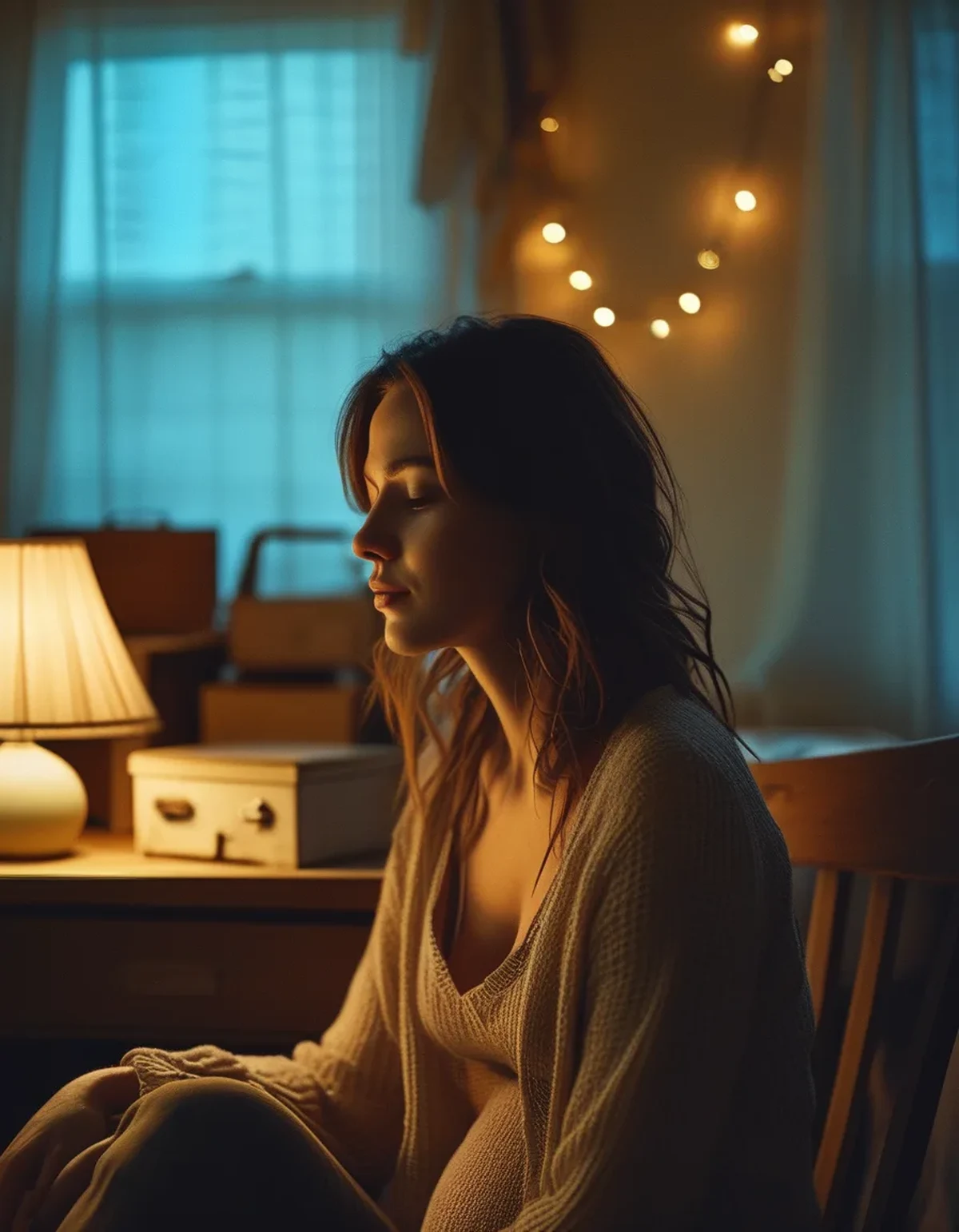
Your knees will decide your night. Bring a cushion or a folded blanket, and treat it as required equipment rather than a luxury. Kneeling on a hard floor repeatedly across twelve hours is the injury nobody anticipates, and the fix costs nothing.
Shoes need to go on in one second. You will need to grab supplies, answer the door for a vet call, or go outside with the dam. Slip-on closed shoes by the door beat both bare feet and laced shoes by a wide margin.
Hair up, sleeves pushed, nothing dangling. Long hair falling into the box while you are helping is exactly as bad as it sounds. A hair tie on your wrist all night is the single smallest, highest-value item on this list.
Short nails, no rings. You may be handling very small, very fragile animals with your hands. This is a genuine safety point rather than a style one.
Have a full change of clothes within reach. Not in the bedroom upstairs. In the room. At some point you will need it, and the version of you at 4am is not going to want to go find it.
And a pocket is worth more than you would think. Phone, thermometer, and a pen live somewhere, and the floor is not it.
How do you set up for the whole night, not just the outfit?
The clothing is half of it. The rest is what is within arm’s reach.
A dedicated seat. A low chair, a bean bag, or a cushion setup that lets you see into the box without craning. Something you can stay in for hours without your back complaining. This matters more than any single garment.
Layers within reach, not in another room. Stack the cardigan and a blanket beside your seat before the night starts. Getting up to fetch a layer at 3am usually means going without it.
Water and food you can eat one-handed. You will forget to drink. Put a bottle where you will see it.
Light you can control. Enough to see clearly, dim enough that the dam stays settled. A small directed lamp beats an overhead light.
Everything within a single arm sweep: towels, notebook, scale, thermometer, phone charger, spare shirt.
And plan the handoff. If someone can take a shift, arrange it before the night rather than during it. Whelping watches are long, and a genuinely tired person makes worse decisions than a rested one.
General guidance for preparedness. Whelping can involve genuine emergencies — have your veterinarian’s and the nearest emergency clinic’s numbers written down and visible before the night begins, and call early rather than late if anything concerns you.
FAQ: Whelping Night Questions, Answered
Should I wear scrubs?
Plenty of experienced breeders do, and they are a reasonable choice — cheap, washable, roomy, and with real pockets. The main drawback is that a single layer does not handle the temperature swing well, so wear them over a fitted base layer and keep a cardigan nearby.
What about the temperature — should I dress for 85 degrees?
Dress for 85 as your base and keep two layers beside you for the still hours. The mistake is dressing for the room as it feels when you walk in busy and warm, then having nothing when you have been sitting motionless for two hours at 4am.
Do I need anything different for the following days?
The first few days are similar but less intense — still a warm room, still a lot of floor time. The same setup works, and by then you will know exactly which layer you actually used. Most people simplify to two layers and a good cushion by night three.
TL;DR:
- The room is kept hot for the puppies but you will be sitting still at 3am — dress in three washable layers, not one
- Zip-front layers only, since you cannot pull anything over your head with occupied or just-washed hands
- Full-length soft bottoms plus a cushion; your knees are what will actually give out first
- Hair tied, nails short, no rings, slip-on shoes by the door, and a full change of clothes in the room
Nobody plans an outfit for this and everybody wishes they had by hour six. Twenty minutes of setup buys you a night where the only hard part is the one that is supposed to be.
Keep Reading
This article is for general informational and styling purposes only. Fit, sizing, and product availability may vary.