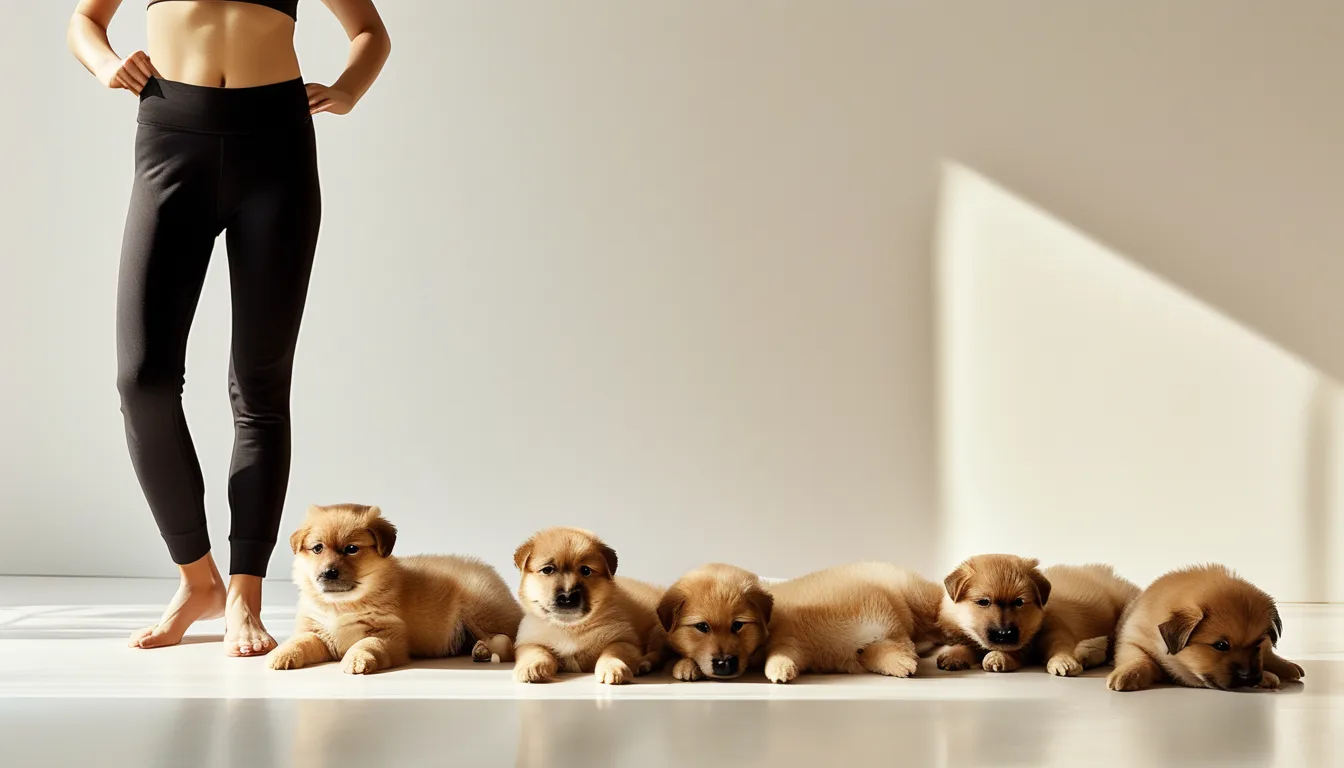
The Whole-Litter Vet Visit: What to Wear When You Are Carrying Seven Puppies
Quick Answer: Wear something you can wipe or wash immediately, with sleeves you can push up, and no dangling anything. Closed-toe non-slip shoes are the most important single item, because a clinic floor plus a nervous puppy is a genuine slip risk. Bring a change of top, a towel, and a spare pair of socks. Avoid loose knits that catch claws, light colours that show everything, and anything with a wide neckline you will have to hold closed while your hands are full.
The first full-litter vet appointment is a logistics problem disguised as a medical one. Seven puppies, one carrier, one waiting room, and a lot of hands-on time on your part.
You will be lifting, holding, restraining, and passing puppies for two hours. What you are wearing decides how much of that is manageable.
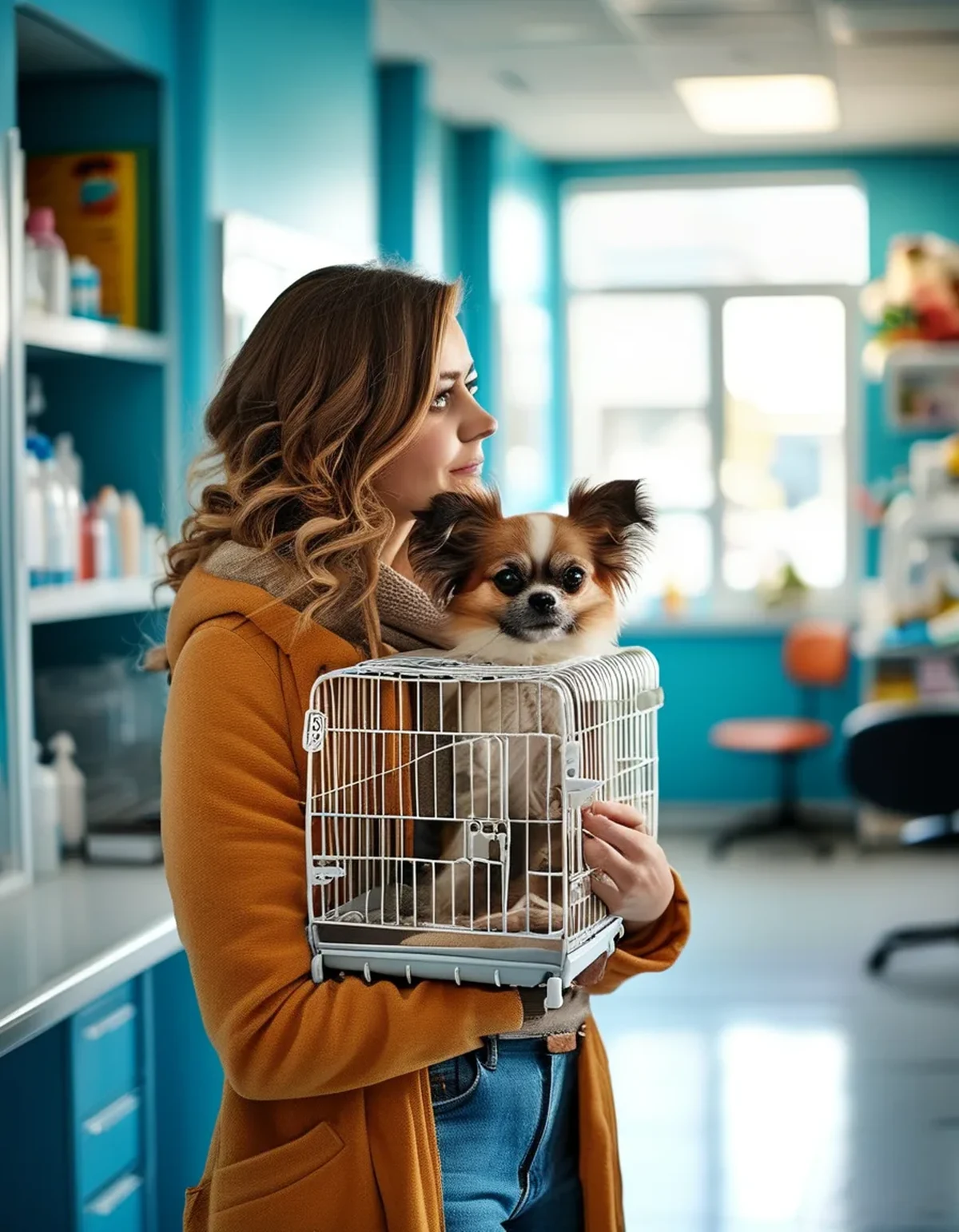
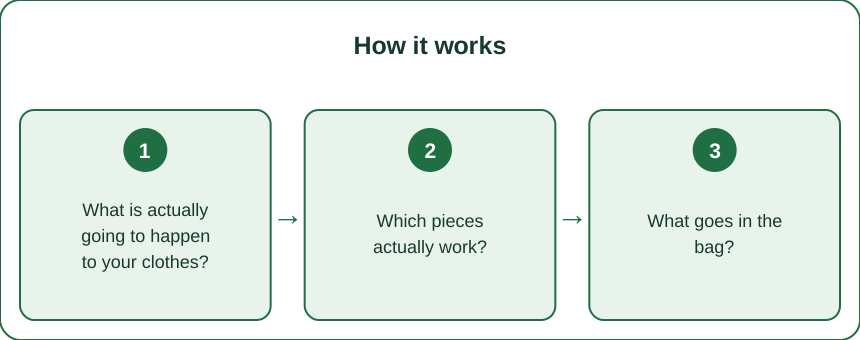
What is actually going to happen to your clothes?
Plan for all four of these, because at least two are certain.
Claws. Puppies grip when lifted and grip harder when nervous. Any loose knit, open weave, or thread you can catch will be caught. This is the most common clothing damage of the visit.
Urine. Nervous submissive urination in a clinic is normal, common, and warm. It will land on your forearm, your chest, or your lap. Fabric that wipes and dries is worth a great deal here.
Fur and dander at volume. Seven puppies plus a two-hour visit plus a waiting room full of other animals. You will not leave clean.
Antiseptic and product transfer. Clinic surfaces get cleaned aggressively, and some disinfectants bleach fabric. Do not wear anything you would be sad about, and this includes anything dark that could show a bleach mark.
And the one nobody expects: you will be warm. Clinics run warm, you will be moving constantly, and carriers are heavy. Dressing for the temperature outside rather than the work is a common mistake.
Which pieces actually work?
Function over everything, and a few specifics matter more than the general category.
Top:
- Smooth-face technical knit or tightly woven cotton, short or three-quarter sleeve
- High neckline. A wide or scooped neck means you will be holding it closed with a hand you do not have free, every time you bend over a puppy.
- Fitted rather than loose, since loose sleeves and hems catch claws and drag on surfaces
- No fleece. It holds everything, releases nothing, and gets warm.
Bottom:
- Full-length leggings or slim trousers in a durable synthetic, which resist claws better than knits and wipe clean
- Pockets that close, since you will be carrying a phone, a paperwork folder, and treats
- Nothing with a wide leg opening to trip on while carrying a carrier
Shoes, the most important item:
- Closed toe, non-slip sole. Clinic floors are hard, smooth, and periodically wet. A puppy underfoot plus a slick floor is the realistic injury risk of the day, and it is you rather than the puppy.
- No open backs, no slides, nothing you have to think about
Hair tied back and off your neck. Puppies grab hair. This is not a style note.
Nothing dangling. No long necklaces, no hoop earrings, no lanyard, no drawcords hanging loose. Every one of these is something to be grabbed.
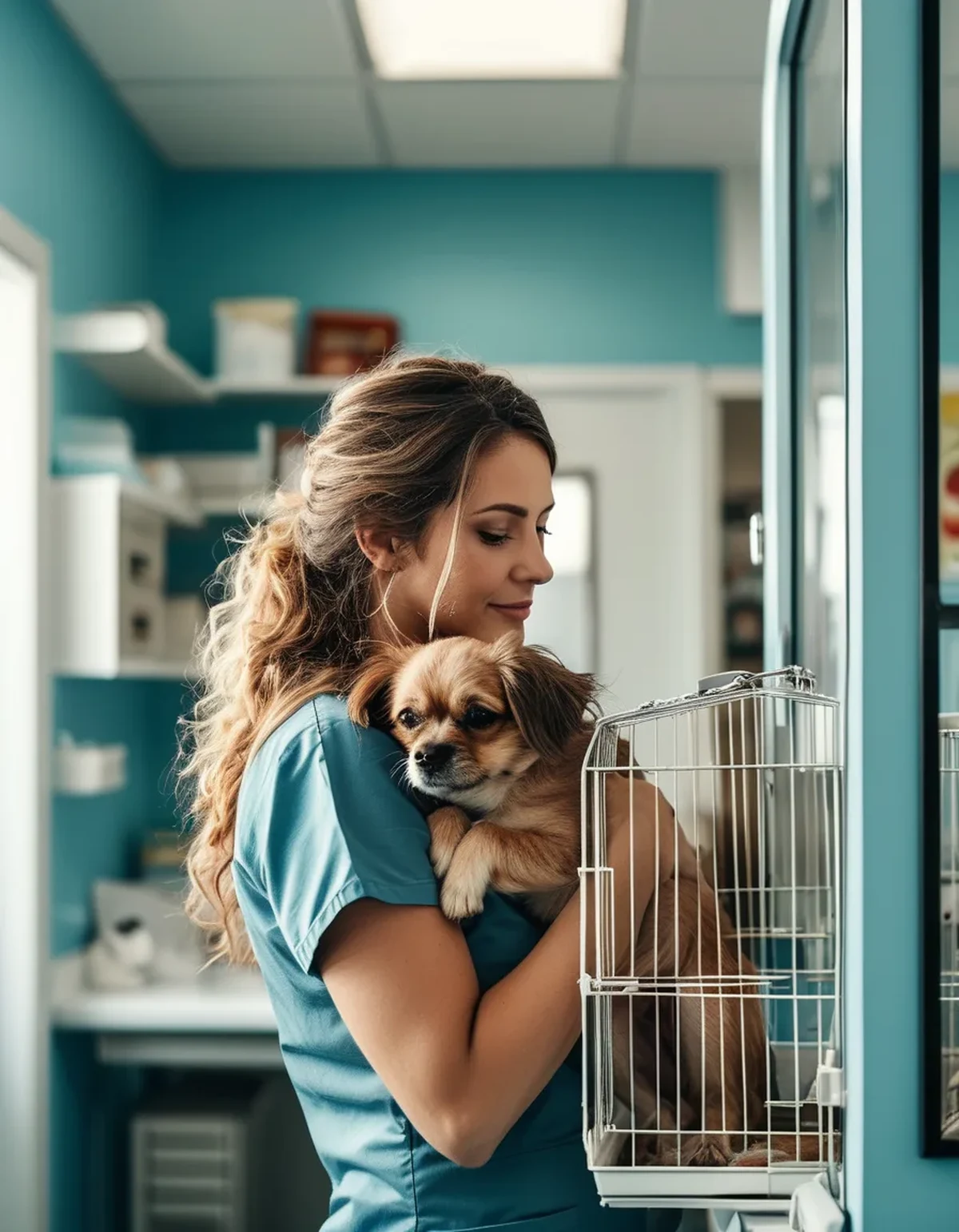
What goes in the bag?
The bag matters as much as the outfit, and it is the part most first-timers underpack.
Clothing items:
- One spare top, sealed in a bag. You will likely use it.
- Spare socks, which take up nothing and save the drive home
- A large towel, useful for the exam table, your lap, the car seat, and a spill
- A second sealed bag for whatever comes off you
Practical items:
- Hand sanitizer, plus wipes for surfaces and for your forearms
- Paper towels, more than you think
- A folder with paperwork, kept where it cannot be sat on
- Treats or a lick mat for distraction during handling
- Water and a small bowl
Carrier logistics:
- One carrier is easier to manage than several small ones for a single litter of the same age, provided there is room
- Line it with something absorbent you can replace mid-visit
- Bring a second liner
The car: cover the seat before you load, not after. A towel over the seat and a mat in the footwell takes 30 seconds at home and saves a genuinely unpleasant clean-up.
What Nobody Tells You About the Whole-Litter Visit
You will be handed puppies while already holding a puppy. Vet staff move efficiently, and you become a holding station. Anything requiring two hands to manage on your own body, a wrap top, a bag on your shoulder, hair falling forward, becomes impossible at exactly this moment. Plan to have zero free hands for stretches of it.
The waiting room is the highest-risk part, not the exam room. Other animals, unfamiliar smells, hard floors, and nowhere to put anything down. Keep the carrier closed and on your lap or a chair rather than the floor, and stay near the door if there is a reactive dog in the room.
Ask for the first appointment of the day. Quieter waiting room, less accumulated stress in the space, and staff who are not running behind. For a whole litter this makes a substantial difference, and clinics generally understand the request.
Tell reception the litter size when you book. Some clinics will put you in a room straight away rather than in the waiting area, and many will schedule a double slot. They cannot do either if they find out when you arrive.
Bring a second person if you possibly can. One holds, one manages the carrier and paperwork. This changes the day more than any clothing decision does.
Your forearms will be scratched. Not badly, and they will be. A three-quarter sleeve is a reasonable compromise between protection and being able to push them up for handling.
Seasonal note: late summer into fall is a busy stretch for clinics, with post-summer boarding checks and back-to-school schedules concentrating appointments into early mornings and late afternoons. Booking a mid-morning weekday slot, if your schedule allows, usually means a calmer room than either end of the day.
This is general information about logistics, not veterinary advice. Follow your vet’s specific instructions for your litter.
FAQ: Litter Vet Visit Questions, Answered
What should I wear to take a litter of puppies to the vet?
A fitted smooth-knit top with a high neckline and sleeves you can push up, durable full-length bottoms, and closed-toe non-slip shoes. Avoid loose knits, fleece, wide necklines, and anything dangling.
What is the most important item for a vet visit with puppies?
Non-slip closed-toe shoes. Clinic floors are hard, smooth, and sometimes wet, and a slip while carrying a carrier is the realistic injury risk of the day.
What should I pack for a whole-litter appointment?
A spare top and socks in a sealed bag, a large towel, wipes and paper towels, sanitizer, a spare carrier liner, paperwork in a folder, and treats. Cover your car seat before you load.
TL;DR:
- Expect claws, urine, fur at volume, and clinic disinfectant. Wear nothing you would be sad to lose.
- Fitted smooth knit, high neckline, sleeves you can push up, hair tied back, nothing dangling.
- Non-slip closed-toe shoes are the single most important item. The slip risk is yours, not the puppies’.
- Pack a spare top and socks, a towel, wipes, and a second carrier liner. Cover the car seat before you load.
Tell reception it is a whole litter when you book, ask for the first slot of the day, and bring a second person if you can.
Keep Reading
This article is for general informational and styling purposes only. Fit, sizing, and product availability may vary.