Litter Dust on Clothing Is a Different Problem From Pet Hair
Quick Answer: Litter dust is a fine particulate that settles into the spaces between yarns rather than clinging to the surface like hair, so lint rollers and rubber gloves barely touch it. Shaking the garment outdoors before washing, then washing inside out on a normal cycle, removes far more than any surface method — and choosing tightly-knit fabrics means less of it gets in to begin with.
Treating it like hair is why it seems so stubborn.

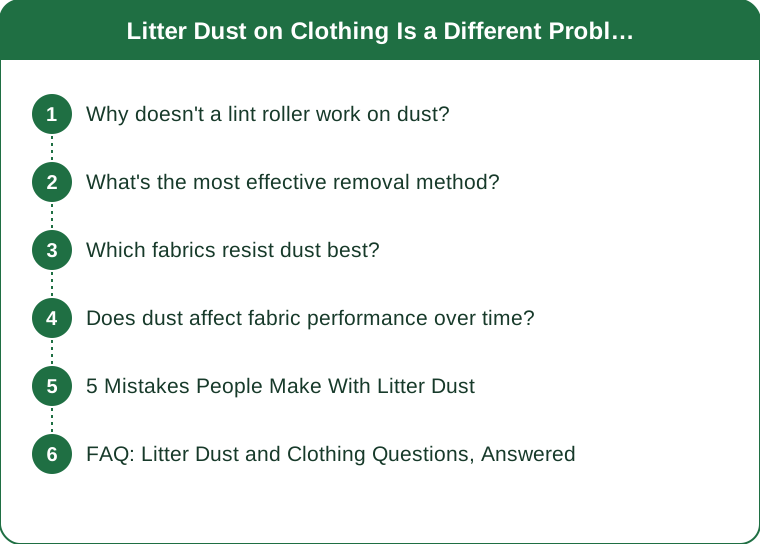
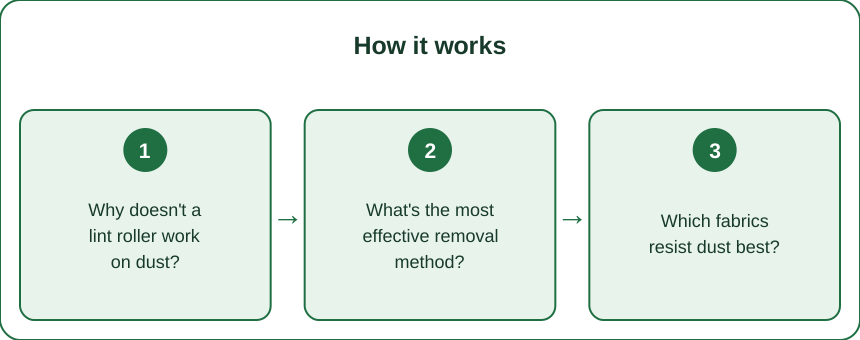
Why doesn’t a lint roller work on dust?
A lint roller works by adhesive contact with the surface, which is effective for hair and lint sitting on top of the fabric. Fine dust particles are small enough to fall between the yarns of a knit and lodge in the interior structure.
The adhesive never reaches them. The same limitation applies to rubber gloves and pet-hair brushes, both of which work by surface friction. What actually moves fine particulate is mechanical agitation that shakes it back out the way it came in, plus water that can carry it away — which is why washing is genuinely more effective here than any dry method.
What’s the most effective removal method?
Shake the garment vigorously outdoors before it goes anywhere near the machine. This dislodges the majority of loose particulate and keeps it out of your washer, where it would otherwise redistribute across the whole load.
Then wash inside out on a normal cycle with enough water volume — a crowded, low-water load doesn’t have room to carry particulate away, and it just redeposits. Skip the delicate cycle for this specific purpose; the gentler agitation that protects fabric also fails to shake dust loose. If a garment is heavily dusted, a short cold pre-rinse before the main wash removes the bulk before detergent even enters the picture.
Which fabrics resist dust best?
Tightly-knit smooth synthetics are the most resistant, for the same structural reason they resist snags — there simply isn’t much space between yarns for particulate to enter.
Open knits, ribbed textures, and brushed surfaces are the most susceptible, since each provides more interior volume and more surface area to trap particles. Fleece is the worst case, combining a deep pile with static attraction. Practically, this means the same smooth dense knits that handle pet hair well also handle litter dust well, which makes the fabric choice straightforward for cat owners: dense and smooth solves both problems at once.

Does dust affect fabric performance over time?
It can, in ways that aren’t obvious. Fine particulate lodged in a knit acts as an abrasive — every time the fabric flexes, embedded particles rub against the yarns from the inside. Over many cycles this accelerates wear at exactly the points that flex most.
It can also reduce wicking performance by partially blocking the capillary channels that move moisture along the fibers. This is subtle and gradual rather than dramatic, but it’s a real reason to remove dust promptly rather than letting it accumulate across several wears. Garments worn near a litter area and then worn for a workout are the ones most affected by both issues.
5 Mistakes People Make With Litter Dust
1. Treating it like hair. Surface removal methods don’t reach particulate lodged inside the knit.
2. Washing without shaking first. The dust redistributes across the entire load instead of leaving with the water.
3. Using the delicate cycle. Gentle agitation doesn’t dislodge embedded particles.
4. Overloading the machine. Low water volume means the dust has nowhere to go and settles back onto fabric.
5. Wearing dusty activewear for a workout. Embedded particulate abrades from the inside during flexing and can reduce wicking.
FAQ: Litter Dust and Clothing Questions, Answered
Does low-dust litter actually reduce what ends up on clothing?
Meaningfully, yes — the difference between a fine clay litter and a low-dust alternative is substantial in terms of what becomes airborne and settles.
Should I keep separate clothing for litter maintenance?
It’s a practical habit for anyone doing daily scooping — a dedicated smooth-fabric layer keeps particulate off everything else.
Can dust cause odor in fabric?
Dust itself doesn’t, but it can carry odor-causing residue into the knit where it’s harder to wash out. Prompt washing prevents most of it.
TL;DR:
- Dust lodges between yarns rather than sitting on the surface, so lint rollers can’t reach it
- Shake outdoors first, then wash inside out on a normal cycle with generous water volume
- Tightly-knit smooth synthetics resist dust; open knits, ribbed textures, and fleece trap it
- Embedded particulate abrades fabric from the inside and can reduce wicking over time
Hair and dust look like the same problem and behave completely differently. Once you switch methods, dust stops being the stubborn one.
Keep Reading
This article is for general informational and styling purposes only. Fit, sizing, and product availability may vary.